
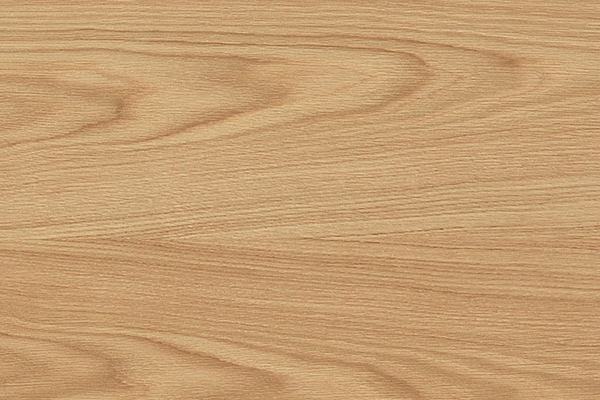
Every piece of lumber tells a story. From the direction of its grain to how it moves with changes in humidity, wood behaves according to rules rooted in nature. For anyone working with hardwoods and moulding materials, understanding grain direction, texture, and stability is essential for building products that look beautiful and last for generations.
At Houston Hardwoods, we work with these natural properties every day, whether milling custom mouldings, selecting hardwood lumber for furniture makers, or advising contractors on materials that will hold up in Houston’s humid climate. This article takes a closer look at the structure of wood and how its grain and direction affect workability, strength, and dimensional stability.
What Is Wood Grain?
The term grain refers to the alignment, texture, and appearance of wood fibers. It forms as a tree grows, with annual rings made up of alternating bands of earlywood (formed in spring) and latewood (formed in summer). These variations in cell structure create the unique patterns you see when a board is sawn.
Grain influences not only the visual appeal of a board but also how it behaves under stress, how it absorbs finishes, and how it responds to Houston’s high humidity levels.
Types of Grain Patterns
1. Straight Grain
The fibers run parallel to the board’s length. This is the most predictable, stable, and easy-to-machine grain type. Straight-grained wood is ideal for moulding, trim, and furniture parts that need clean, crisp edges.
Examples: White oak, hard maple, walnut, and poplar.
Best use: Millwork, interior trim, and any application where smooth surfaces and consistent machining are required.
2. Curly or Figured Grain
The fibers undulate, creating a wavy or rippled pattern that catches light beautifully. Though stunning, figured woods require careful handling and sharp tools to prevent tear-out during machining.
Examples: Curly maple, quilted cherry, and figured walnut.
Best use: Accent trim, furniture panels, and custom profiles where visual impact is key.
3. Interlocked Grain
Successive layers of growth twist slightly in opposite directions. This creates a ribbon-like texture when planed, but it can also make machining more difficult.
Examples: Mahogany and sapele.
Best use: Decorative architectural mouldings and premium millwork, when stability and beauty are both priorities.
4. Spiral or Cross Grain
Fibers spiral around the tree rather than running vertically. This type of grain can cause distortion as the wood dries or moves with humidity, making it less stable for precision work.
Examples: Some species of red oak or tropical hardwoods.
Best use: Limited; typically avoided in fine moulding or joinery unless carefully milled and sealed.
Grain Direction and Workability
Grain direction plays a critical role in how wood cuts, sands, and finishes. Working with the grain ensures smooth surfaces and minimal tear-out, while cutting against the grain can create rough textures and splintering.
Tips for Working with Grain Direction
- Planing or jointing: Always feed the board so the grain angles downward away from the cutter.
- Sanding: Follow the grain direction to prevent scratches from telegraphing through the finish.
- Staining: Grain direction affects how stain is absorbed. Open-grained woods like oak require grain filler for smooth finishes, while fine-grained woods like maple or cherry absorb more evenly.
Understanding these differences ensures higher-quality surfaces, especially for visible trim and moulding where finish quality matters.
How Grain Cut Affects Stability
The way lumber is sawn from the log dramatically affects its movement and appearance. The three primary cuts are plain-sawn, quarter-sawn, and rift-sawn.
Plain-Sawn (Flat-Sawn)
- The most common and cost-effective method.
- Produces wide grain patterns or “cathedrals.”
- More prone to cupping or movement across the face.
Best for: Economy trim, furniture parts, or painted moulding where natural movement is less critical.
Quarter-Sawn
- Boards are cut perpendicular to the growth rings.
- Yields straight, uniform grain and distinctive ray fleck in species like oak.
- Excellent dimensional stability and reduced warping.
Best for: Crown moulding, high-end trim, or installations where humidity changes are common (like in Houston homes).
Rift-Sawn
- Boards are cut at a consistent 30–60° angle to the growth rings.
- Produces a tight, linear grain with little figure.
- Very stable and visually uniform, ideal for fine architectural work.
Best for: Custom profiles, baseboards, and modern mouldings where clean lines and stability are priorities.
Wood Movement and Dimensional Stability
Wood is hygroscopic, meaning it absorbs and releases moisture based on its environment. This causes expansion and contraction, primarily across the grain rather than along it.
Houston’s humidity makes this one of the most important factors to consider in lumber selection and installation.
Key Facts About Wood Movement
- Tangential movement (across the growth rings) is roughly twice as large as radial movement (through the rings).
- Denser woods like maple and oak move more noticeably than softer woods like poplar.
- Quarter-sawn lumber moves less than plain-sawn.
Tips for Controlling Movement
- Acclimate lumber for at least 48–72 hours before installation.
- Seal all sides of moulding or trim, including back sides and end grain.
- Maintain interior humidity between 40–50% for long-term stability.
Our Houston climate means attention to moisture control is critical. Even small variations can cause baseboards or crown moulding to shift if materials are not properly acclimated.
Mythbusters: Sanding With or Against the Grain
If you’ve worked with wood for any length of time, you’ve probably heard the old rule: “Always sand with the grain.”
So is that truly a hard rule, or more of a guideline?
The Truth
It’s mostly true, but there are a few exceptions.
Sanding with the grain minimizes visible scratches and creates a smoother surface for finishing. When you sand against the grain, even slightly, cross-grain scratches can catch light differently, leaving faint swirl marks that stand out once stain or finish is applied.
However, in the early stages of sanding (especially with coarse grits like 60 or 80), going slightly across the grain can help level uneven surfaces or remove milling marks more efficiently. The key is to switch back to sanding with the grain for your final passes, using finer grits to erase any cross-grain scratches before finishing.
Bottom Line
The “sand with the grain” rule is mostly true for the final finishing stages, but skilled woodworkers sometimes break it strategically to flatten or shape surfaces faster. Just remember that your final sanding before staining or sealing should always follow the grain to achieve a professional, even finish.
How to Tell Which Direction the Grain Is Running
Being able to read the grain direction is one of the most useful woodworking skills, especially when sanding or planing.
Here’s how to tell:
- Look for the grain lines on the surface.
The darker lines in the wood show the path of the fibers. They typically run lengthwise down the board, but sometimes angle slightly. Sanding or planing with these lines generally means working with the grain. - Check the edge or end of the board.
On the edge, grain lines that angle upward toward you indicate that the fibers rise in that direction. You’ll want to work away from the direction the grain rises to avoid tear-out. - Run your hand across the surface.
Lightly brushing your hand one way will feel smooth, while the other may feel slightly rough or “bristled.” The smooth direction is with the grain. - Watch how light reflects.
When you move a light source or tilt the board, the grain direction can become visible through changing highlights and shadows. This helps confirm your visual and tactile check before sanding.
Pro tip:
Grain direction can sometimes change within a single board—especially near knots, curves, or figured areas—so stay observant and adjust as you go. If you see fibers lifting or feel resistance, change your sanding or cutting direction immediately.
How Grain Affects Finishing
Grain structure influences how wood absorbs stains, sealers, and topcoats.
- Open-grained woods like red and white oak have large pores that can absorb stain unevenly. A pore filler or sanding sealer helps achieve a smooth, glass-like finish.
- Closed-grained woods like maple, cherry, and alder have tighter pores that accept stain more evenly but may require pre-stain conditioner for consistent color.
- Figured woods should be sealed with care to highlight depth and contrast without blotching.
Choosing the right finish for your grain type ensures the color and texture complement the wood’s natural character.
Choosing the Right Grain for Houston Conditions
When selecting lumber for mouldings, cabinetry, or furniture in Houston, grain orientation and species both play a role in performance.
- For paint-grade projects: Choose stable, fine-grained woods such as poplar or soft maple.
- For stain-grade mouldings: Quarter-sawn white oak, cherry, or walnut provide both beauty and stability.
- For detailed profiles: Straight-grained lumber machines more cleanly and holds shape better in humid conditions.
At Houston Hardwoods, we help customers match grain patterns and cuts to their project’s design and climate requirements. Whether you’re restoring historic trim or producing new architectural profiles, our experts can guide you to the right material and cut for long-lasting results.
Final Thoughts
Grain direction, texture, and stability are what separate average millwork from exceptional craftsmanship. Understanding how wood behaves helps you choose the right species, prevent movement, and achieve flawless finishes that stand up to Houston’s environment.
With decades of experience and an extensive selection of domestic and imported hardwoods, Houston Hardwoods is your local resource for lumber expertise, precision milling, and dependable service. From standard moulding profiles to fully custom runs, we can help you turn the natural beauty of wood into lasting architectural detail.